Understanding Seasonal Hair Loss: How to Differentiate It from Other Types of Hair Loss
Seasonal hair loss is a phenomenon that many individuals experience, characterized by increased shedding during certain times of the year. This type of hair loss is often mistaken for more serious conditions; however, it is generally considered a natural response to environmental changes. Primarily, fluctuations in weather, such as temperature and humidity, play a significant role in triggering this seasonal shedding process.
12/28/20254 min read
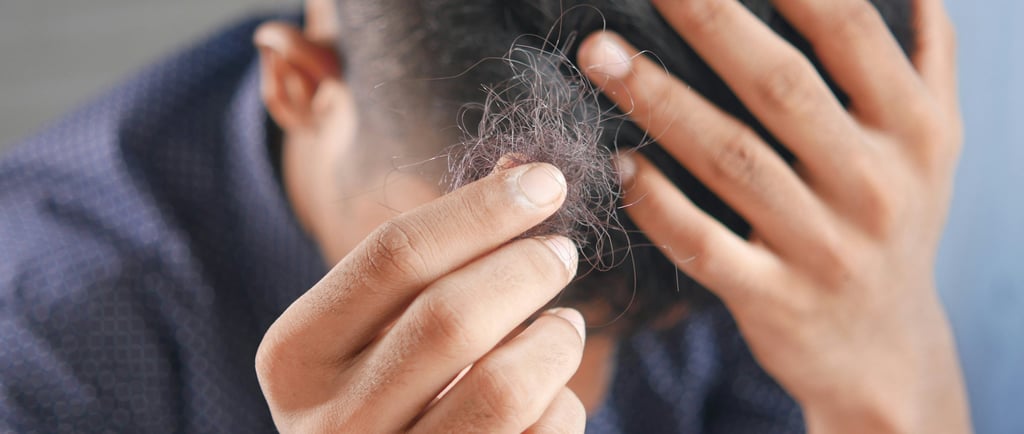
understanding Seasonal Hair Loss
Seasonal hair loss is a phenomenon that many individuals experience, characterized by increased shedding during certain times of the year. This type of hair loss is often mistaken for more serious conditions; however, it is generally considered a natural response to environmental changes. Primarily, fluctuations in weather, such as temperature and humidity, play a significant role in triggering this seasonal shedding process.
Biologically, the hair growth cycle is comprised of three distinct phases: anagen (growth), catagen (transitional), and telogen (resting). Seasonal hair loss is typically associated with the telogen phase, where a larger number of hair follicles enter this resting stage, leading to increased hair fall. During specific seasons, particularly in spring and autumn, hormonal fluctuations and variations in daylight may influence this cycle, prompting hair to shed more readily as part of its natural renewal process.
Environmental factors are equally crucial in understanding seasonal hair loss. Changes in temperature can affect scalp health, impacting the moisture levels and leading to conditions that encourage shedding. For instance, cold weather during winter often causes dryness, which may contribute to increased hair loss as the scalp becomes less hospitable for healthy hair growth. Similarly, the increased heat and humidity during summer can cause sweat accumulation and scalp irritations, leading to further hair shedding.
It is important to note that while seasonal hair loss is common, it does not affect everyone in the same way. Factors such as genetics, overall health, and hair care practices can influence individual experiences with hair shedding. Understanding seasonal hair loss can provide clarity for those encountering fluctuations in hair density throughout the year, highlighting the importance of differentiating it from other more concerning types of hair loss.
Common Scalp and Hair Concerns: Identifying the Symptoms
Seasonal hair loss is a phenomenon many individuals experience, particularly during specific times of the year, often coinciding with changes in temperature and humidity. This condition is characterized by a range of symptoms that may include excessive shedding, notable thinning, or alterations in hair texture. It is essential to identify these symptoms correctly to determine whether one is dealing with seasonal hair loss or other conditions like androgenetic alopecia or telogen effluvium.
Excessive shedding is one of the most prevalent indicators of seasonal hair loss. Individuals may notice an increased number of hairs on their brushes or pillows, especially during transitional seasons such as fall or spring. This shedding is often temporary and typically relates to the natural hair cycle, where hair follicles may enter a resting phase simultaneously due to environmental shifts. In contrast, androgenetic alopecia, commonly known as male or female pattern baldness, manifests as gradual thinning primarily at the crown or temples without the significant shedding associated with seasonal hair loss.
Another symptom to observe is thinning hair. Seasonal hair loss might present as an overall decrease in volume, where hair appears less dense. Unlike conditions such as telogen effluvium, where the thinning is often sudden and more pronounced, seasonal changes tend to result in a more gradual loss that aligns with natural cycles. Additionally, many may notice changes in hair texture; hair may feel drier or coarser during periods of seasonal shedding. This differs from hair loss conditions where texture changes can indicate underlying health issues or nutrient deficiencies.
Awareness of these symptoms enables individuals to accurately discern whether they are experiencing seasonal hair loss or another type of hair loss. It is vital to monitor these changes and consult a healthcare professional for advice when uncertainties arise regarding one’s scalp and hair health.
Differentiating Seasonal Hair Loss from Other Hair Types
Understanding the nature of hair loss is essential for effectively addressing and managing it. Seasonal hair loss typically occurs during transitional periods, such as spring and autumn, when changes in temperature and humidity can impact the hair growth cycle. For an individual experiencing hair loss, it is crucial to identify whether the shedding is part of a natural cycle or indicative of a more serious condition.
One key indicator of seasonal hair loss is its timing. Individuals may notice increased hair shedding in specific months, often following seasonal changes. This phenomenon is usually temporary and can be attributed to changes in daylight exposure and hormonal fluctuations that influence the hair growth phase. In contrast, hair loss that persists throughout the year may suggest an underlying health issue, such as alopecia areata, thyroid dysfunction, or nutritional deficiencies.
Another criterion to consider is the pattern of shedding. Seasonal hair loss often presents as a diffuse thinning of hair across the scalp rather than localized patches. If the hair thinning occurs uniformly and there is no accompanying itching or inflammation of the scalp, it is more likely to be seasonal. On the other hand, patchy areas of hair loss warrant further investigation as they might indicate a more severe condition.
Practical self-assessment tips include monitoring changes in hair volume and texture over several months. Keeping a hair diary to note patterns and any additional symptoms, such as fatigue or skin changes, can also be helpful. It is important to seek professional medical advice if hair loss is accompanied by significant scalp irritation, persistent shedding beyond the typical seasonal pattern, or if there are concerns about overall health. Consulting with a dermatologist or trichologist can provide a clearer understanding of the cause and appropriate treatment options.
Preventive Measures and Treatment Options
Understanding how to manage seasonal hair loss is crucial for maintaining healthy hair. One of the most effective preventive measures is to adopt a balanced diet rich in essential nutrients. Incorporating foods high in omega-3 fatty acids, vitamin D, iron, and zinc can significantly enhance hair health. Foods such as fatty fish, nuts, seeds, leafy greens, and whole grains should be included in daily meals to support hair growth and reduce shedding during peak seasons.
Additionally, lifestyle changes play a critical role in addressing seasonal hair loss. Reducing stress through techniques such as meditation, yoga, or regular exercise can help mitigate the frequency and severity of hair shedding. Ensuring adequate sleep and hydration also contributes positively to overall well-being and hair health.
Moreover, establishing a gentle hair care routine is vital in this context. Using mild shampoos and conditioners that are free from harsh chemicals can minimize hair breakage and damage, particularly during shedding seasons. Limiting the use of heat styling tools and avoiding tight hairstyles can further protect the hair and scalp from unnecessary strain.
For those seeking more targeted solutions, various topical treatments and therapies are available. Minoxidil is a popular option that may promote hair regrowth and slow down hair loss. Essential oils, such as rosemary and peppermint, can also be beneficial when diluted and massaged into the scalp, improving blood circulation and potentially enhancing hair health.
In conclusion, adopting a multifaceted approach that combines dietary adjustments, lifestyle modifications, and appropriate hair care practices can effectively combat seasonal hair loss. By proactively implementing these measures, individuals can maintain their scalp and hair health throughout the year, thereby minimizing the impact of seasonal fluctuations in hair shedding.
© 2024. All rights reserved | Privacy Policy